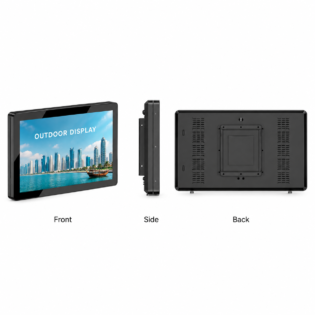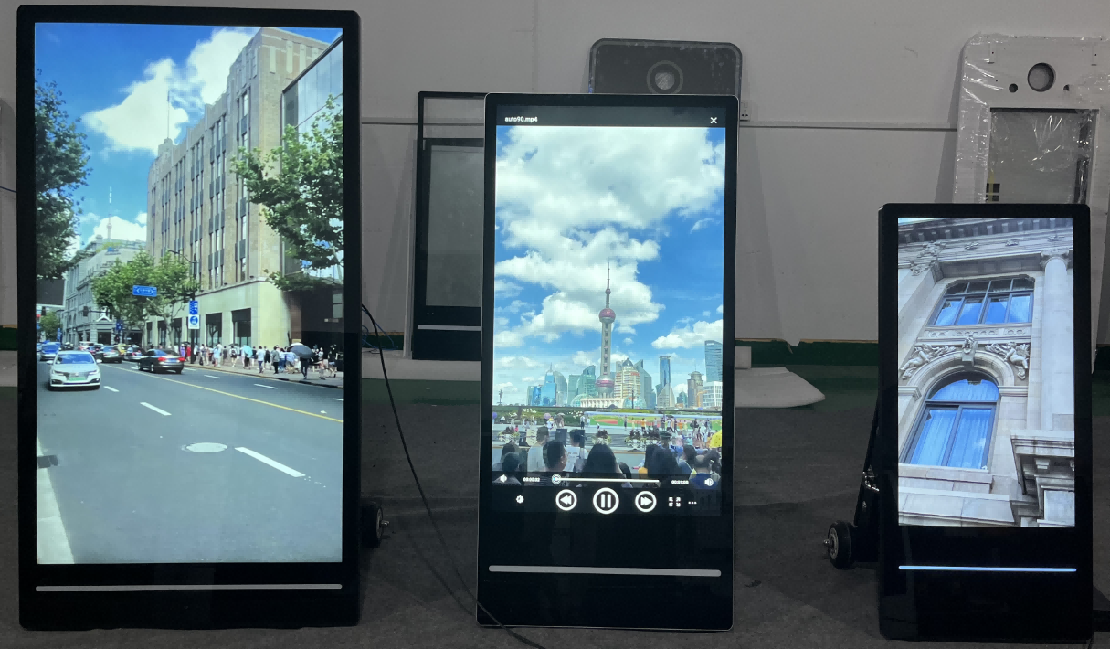
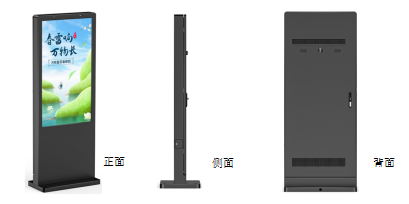
Outdoor digital signage in Qatar must remain readable in strong daylight and continue operating in heat, dust and changing weather. The enclosure and cooling system matter as much as the LCD panel.
Brightness and sunlight
A screen facing daylight normally needs substantially more brightness than an indoor display. Placement, direction and shade affect the correct specification. Automatic light sensing can reduce brightness after sunset and improve comfort.
Protection and thermal design
Check the stated IP rating, glass specification, ventilation or air-conditioning option and the operating environment. Keep access for servicing and airflow in the installation plan. The mounting structure and power route should be assessed for the actual site.
Approvals before installation
Businesses should confirm site and advertising approvals before ordering or installing exterior signage. Qatar’s Ministry of Commerce and Industry provides business and licensing guidance through its official business services. Qsmart can quote the display and options once the site requirements are clear.
Request evidence for the proposed location
| Question | Useful evidence | Decision |
|---|---|---|
| Will the message remain readable? | A demonstration in comparable light | Choose placement and brightness together |
| Can the system handle the environment? | Enclosure rating and operating limits | Check the assembled unit, including cooling |
| Can it be maintained? | Access and maintenance plan | Allow safe access to the screen and service parts |
A planning example
As a planning example, compare an entrance under shade with a screen in direct afternoon sun. Do not copy the shaded entrance specification to the exposed position without checking thermal conditions and readability. Record the installation direction and nearby reflective surfaces in the site brief. An enclosure specification should be supported by the manufacturer’s documentation for the quoted model.
Practical planning checklist
Outdoor displays need a site-specific assessment of daylight, heat, weather exposure and access. Compare the exact enclosure and operating limits before choosing a screen for an exterior location in Qatar.
Position and readability
Photograph the location in daylight and after sunset. Note which direction the screen faces, any shade and where viewers will stand. Ask for a content demonstration at the intended viewing distance; brightness alone does not establish readability.
Heat and dust
Request the operating temperature range for the complete assembled display, not only the panel. Confirm how the enclosure removes heat and where maintenance staff can reach filters and fans. An indoor screen behind glass should not be treated as an outdoor-rated display.
Mounting and services
Record mounting height, base dimensions, cable entry and the available power route. Have the responsible installer assess the structure and electrical requirements. Keep service access clear and confirm site approvals with the property operator before ordering.
Day and night operation
Ask whether brightness scheduling or a light sensor is included. Agree who will manage the content, shut-down schedule and remote monitoring. Excessively bright nighttime content can be uncomfortable even when the screen is suitable in daylight.
Questions to confirm before ordering
Can an indoor screen be used outdoors under a canopy?
A canopy does not establish weather or temperature suitability. Confirm the complete enclosure rating, exposure limits and warranty conditions in writing for the intended site.
What is included in installation and support?
Ask for mounting, cabling, delivery, commissioning, software setup and warranty terms to be listed in the quotation. Coverage varies by product and project; confirm the agreed scope before payment.